Alkaline Phosphatase vs Acid Phosphatase
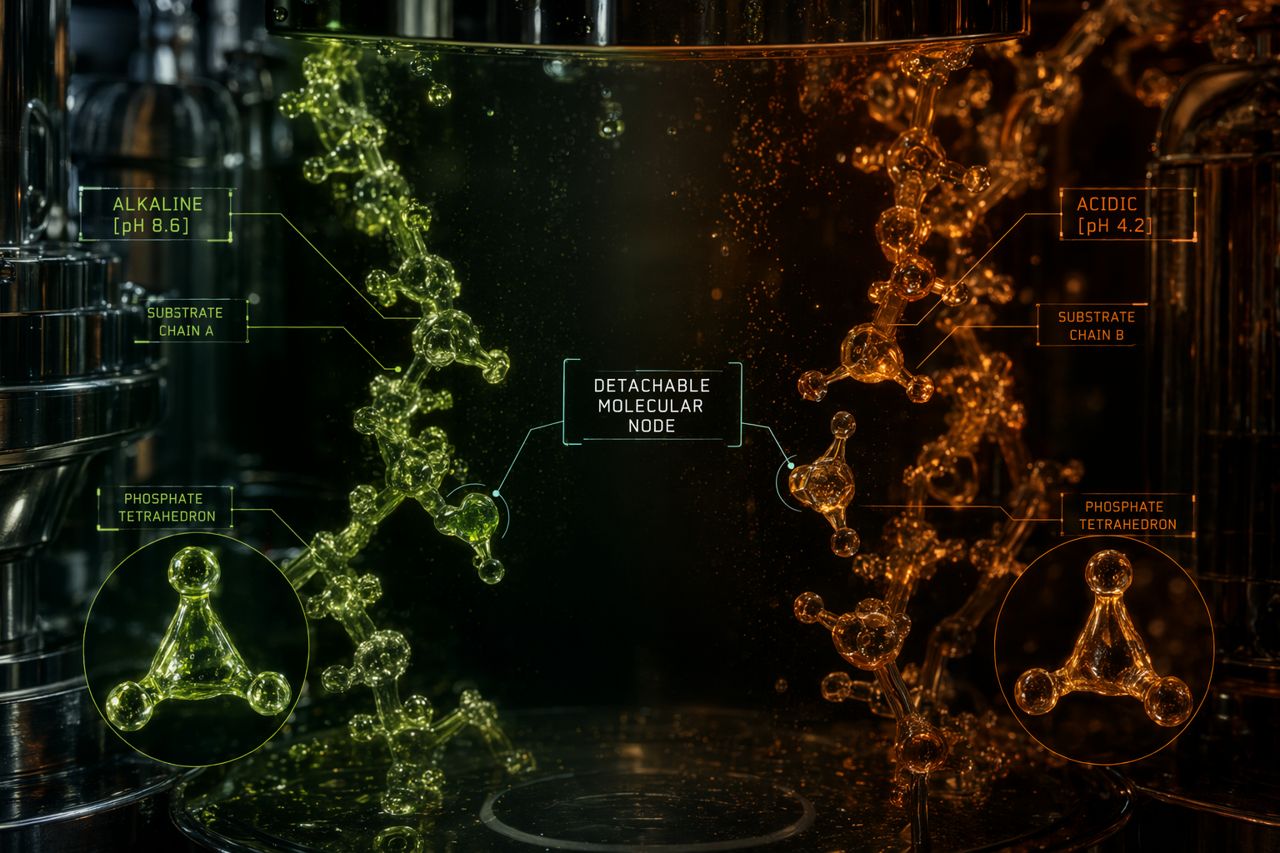
Phosphatase Enzymes remove phosphate groups from compatible molecules. The broad distinction between alkaline phosphatase and acid phosphatase is not that one is universally stronger or more advanced. It is that each family is shaped for a different chemical environment.
For manufacturers, reagent makers and distributors buying in bulk, the right question is practical: which phosphatase remains predictable in your actual matrix, process window, and downstream specification?
Sourcing alkaline or acid phosphatase in bulk? We quote manufacturers, distributors and resellers per order: send the enzyme type, the quantity and the destination country. Request a quote.
The short answer
Alkaline phosphatases are generally selected for neutral-to-alkaline workflows. Acid phosphatases are generally selected for acidic matrices or acidic process steps. Both can be useful in diagnostics, bioprocessing, food systems, environmental work, and research manufacturing, but they should not be treated as interchangeable enzymes.
| Comparison point | Alkaline phosphatase | Acid phosphatase |
|---|---|---|
| Typical working environment | Neutral to alkaline conditions | Acidic conditions |
| Common fit | Diagnostic labeling, dephosphorylation steps, molecular biology workflows, bioprocess cleanup | Plant, food, fermentation, acidic extract, and lysosomal or cellular research contexts |
| Selection risk | Loss of performance in acidic matrices; sensitivity to inhibitors or incompatible buffers | Loss of performance in alkaline steps; matrix interference in complex biological or food systems |
| Buyer focus | Stability, purity, substrate fit, background signal, formulation format | Acid tolerance, matrix compatibility, specificity, process robustness |
What both enzyme types do
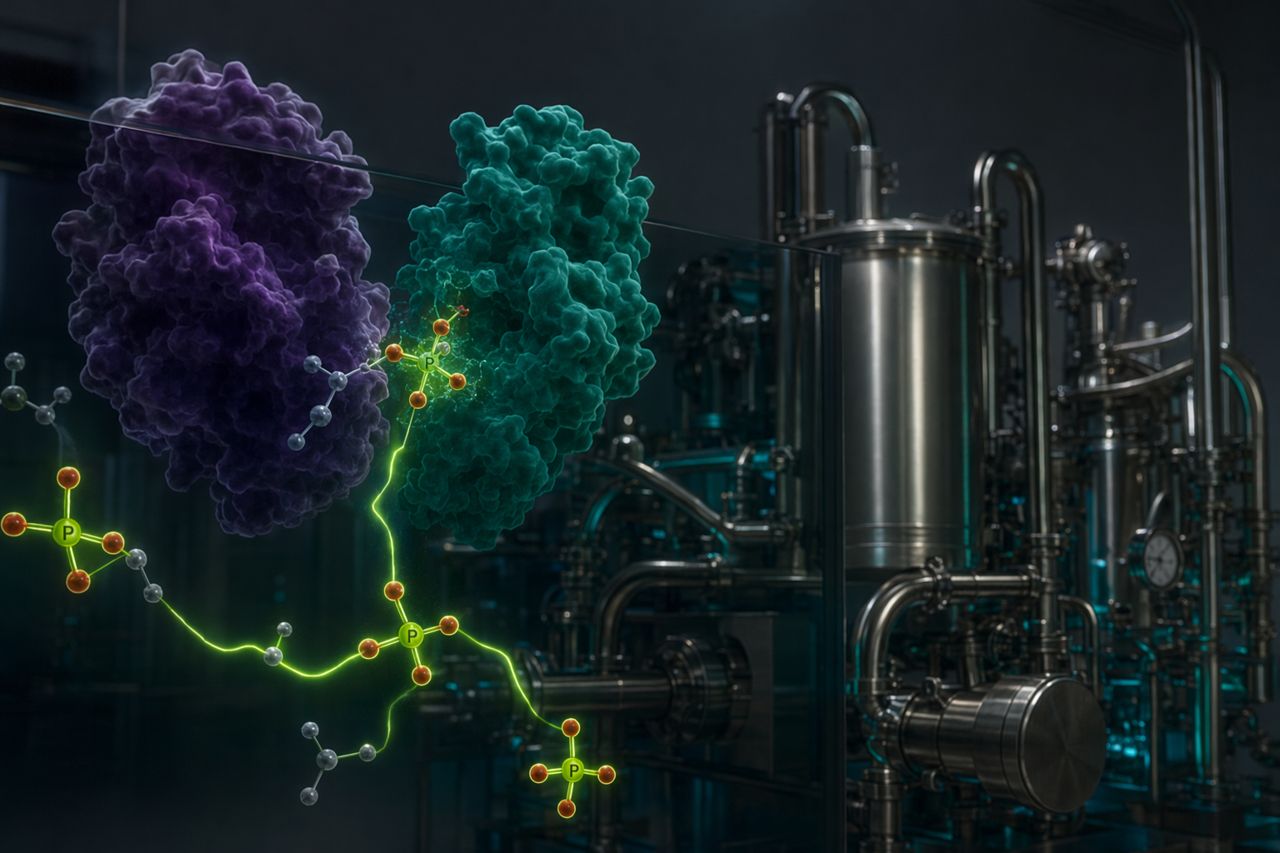
Both alkaline and acid phosphatases catalyze dephosphorylation: the removal of phosphate groups from suitable substrates. That core function can be used to modify molecules, prepare samples, reduce phosphate-containing species, generate detection signals, or support controlled process chemistry.
The difference is not the reaction concept. The difference is the operating envelope.
Alkaline phosphatase: where it fits
Alkaline phosphatase is often chosen when the workflow is designed around neutral-to-basic conditions. In B2B settings, this can include:
- Diagnostic conjugates and signal-generation systems
- Molecular biology and nucleic acid preparation workflows
- Dephosphorylation steps before ligation, labeling, or downstream transformation
- Bioprocess polishing where phosphate removal is required under compatible pH conditions
- Controlled modification of phosphorylated substrates in buffered systems
Practical strengths
Alkaline phosphatase is widely understood, broadly documented, and available in multiple grades and formats. For diagnostics teams, the priority is often reproducible signal behavior and low interfering background. For process teams, the priority is predictable conversion under defined chemistry.
Practical watchpoints
Alkaline phosphatase should be evaluated for matrix tolerance, thermal exposure, buffer compatibility, and inhibition risk. It may not be the best fit for acidic foods, fermentation broths, plant extracts, or processes where the pH cannot be shifted without damaging the product.
Acid phosphatase: where it fits
Acid phosphatase is selected when the relevant chemistry occurs in an acidic environment. This can be especially relevant in complex biological and food-derived matrices where the native system is not neutral or alkaline.
Common application areas include:
- Fermentation and microbial process research
- Plant and botanical extract workflows
- Food and beverage systems with acidic process windows
- Cellular, lysosomal, and tissue-associated research contexts
- Dephosphorylation in acidic sample preparation steps
Practical strengths
Acid phosphatase allows buyers to keep certain processes closer to their native matrix conditions. That can reduce the need for pH adjustment, simplify integration, and help protect sensitive ingredients or intermediates.
Practical watchpoints
Acidic matrices are often chemically complex. Organic acids, phenolics, salts, metals, proteins, and processing aids can all influence performance. Acid phosphatase selection should therefore be based on representative samples, not only a clean buffer comparison.
How to choose between them
Use the process environment first, then refine by substrate and specification.
1. Define the true operating pH
Do not select only by a catalog description. Define the pH the enzyme will actually see during contact with the substrate. Include upstream additions, dilution effects, temperature exposure, and any required hold time.
2. Confirm the substrate class
Different phosphatases can vary in how they interact with phosphorylated proteins, nucleotides, small molecules, plant-derived compounds, or mixed substrates. The same broad enzyme name does not guarantee the same behavior across substrate classes.
3. Check matrix compatibility
Real industrial matrices are rarely clean. Consider:
- Salts and ionic strength
- Metal ions or chelators
- Surfactants and processing aids
- Preservatives
- Organic acids
- Solvents or co-solvents
- Protein load, cell debris, or solids
- Downstream purification constraints
4. Match the format to the operation
Phosphatase Enzymes may be supplied in liquid, dry, stabilized, or immobilized formats depending on the application. Format selection affects dosing workflow, storage, handling, dispersion, filtration, reuse strategy, and documentation requirements.
5. Align purity and documentation level
A diagnostics workflow may require tighter impurity control than a non-diagnostic industrial conversion. A food or fermentation application may prioritize regulatory fit and processing compatibility. A research manufacturing use case may prioritize consistency, traceability, and technical support.
Application-fit examples
Diagnostics and detection systems
Alkaline phosphatase is frequently evaluated for signal-generation systems because it can support strong, controlled readouts when paired with suitable substrates and compatible buffers. Buyers should focus on background control, lot consistency, conjugation compatibility, and stability after formulation.
Molecular biology workflows
Alkaline phosphatase can be used in dephosphorylation steps where removal of terminal phosphate groups is required. The key selection factors are substrate compatibility, downstream enzyme compatibility, heat or removal strategy, and absence of interfering residues.
Food, beverage, and fermentation systems
Acid phosphatase may be relevant where the process is naturally acidic or where pH adjustment would create quality risk. Selection should be tested against the real matrix, including solids, acids, color bodies, and process additives.
Plant and botanical processing
Plant materials can contain phosphate-bearing compounds, phenolics, acids, proteins, and minerals. Acid phosphatase may offer a more natural fit for some extraction environments, but performance depends heavily on the specific raw material and process design.
Industrial biotech and bioprocess cleanup
Either phosphatase type may be relevant depending on pH, impurity profile, and downstream separation. Engineering teams should evaluate enzyme removal, hold-time sensitivity, thermal exposure, and compatibility with the next unit operation.
Procurement checklist
Before requesting pricing, prepare the following details:
- Target application and industry
- Substrate or sample type
- Operating pH range
- Temperature exposure
- Contact time or process stage
- Liquid, dry, or immobilized preference
- Required purity or documentation level
- Batch size and expected annual demand
- Any known inhibitors, preservatives, salts, metals, or solvents
- Whether the process is research, pilot, validation, or commercial scale
These details help narrow the enzyme type before time is spent on samples, quotations, and formulation discussions.
Common selection mistakes
Treating pH labels as absolute boundaries
Alkaline and acid describe preferred working environments, not rigid walls. Actual behavior depends on enzyme source, formulation, substrate, and matrix composition.
Comparing candidates only in clean buffer
Clean-buffer screening is useful, but it can overstate performance in real systems. Complex matrices can change availability of the substrate and the enzyme.
Ignoring downstream requirements
An enzyme that performs well in the reaction step can still be unsuitable if it complicates filtration, purification, labeling, flavor, color, stability, or regulatory documentation.
Selecting by enzyme name alone
Two phosphatases with the same broad classification may differ in stability, specificity, impurity profile, and formulation behavior. Source and production quality matter.
Bottom line
Choose alkaline phosphatase when the workflow is neutral-to-alkaline and the downstream system benefits from that chemistry. Choose acid phosphatase when the matrix or process step is acidic and pH adjustment would create technical or quality risk.
The better choice is the one that stays controlled inside the real process, not the one that looks stronger in isolation.
Request pricing or technical fit guidance
Use the site form below to request a quote or get pricing for a phosphatase format matched to your application. Include your pH window, matrix, substrate type, and desired supply format so the response can be specific.