Phosphatase for Biotechnology Workflows
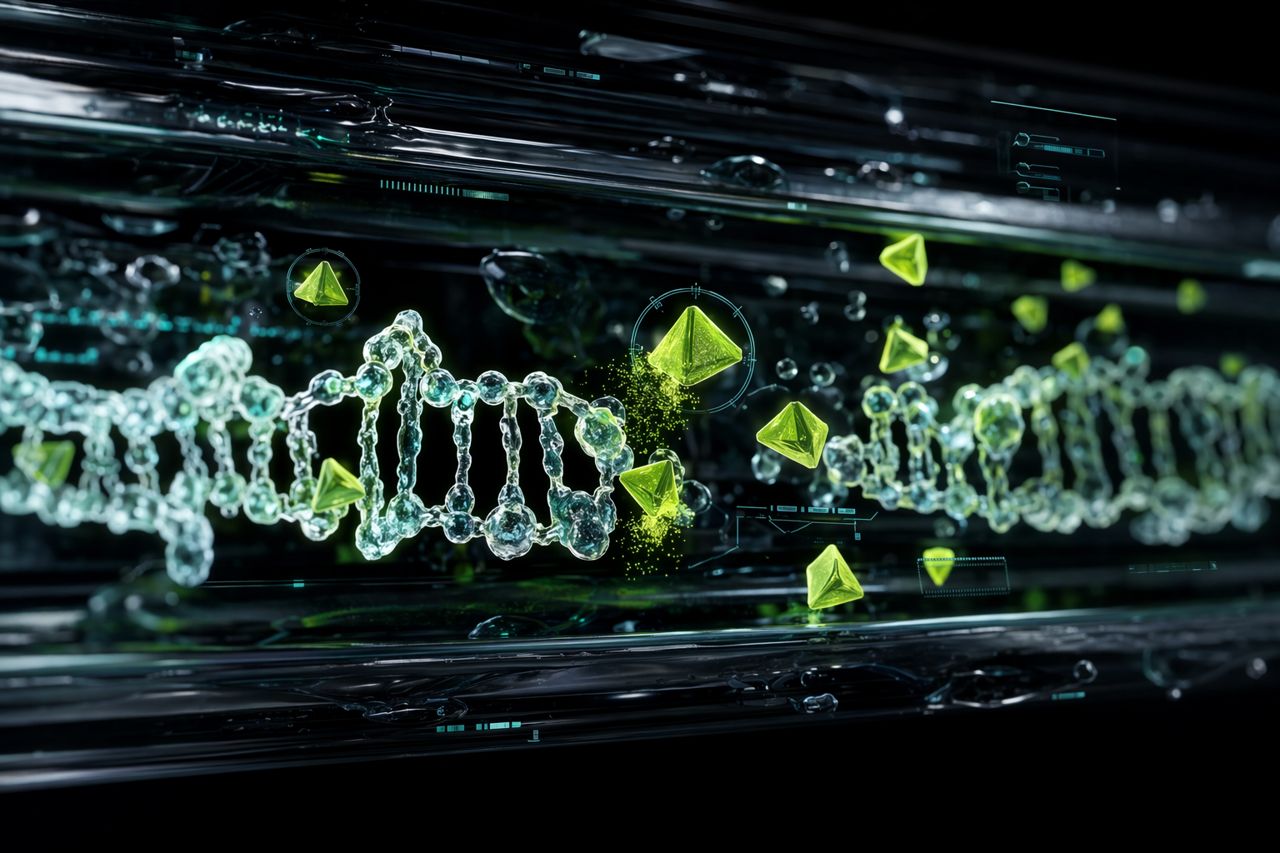
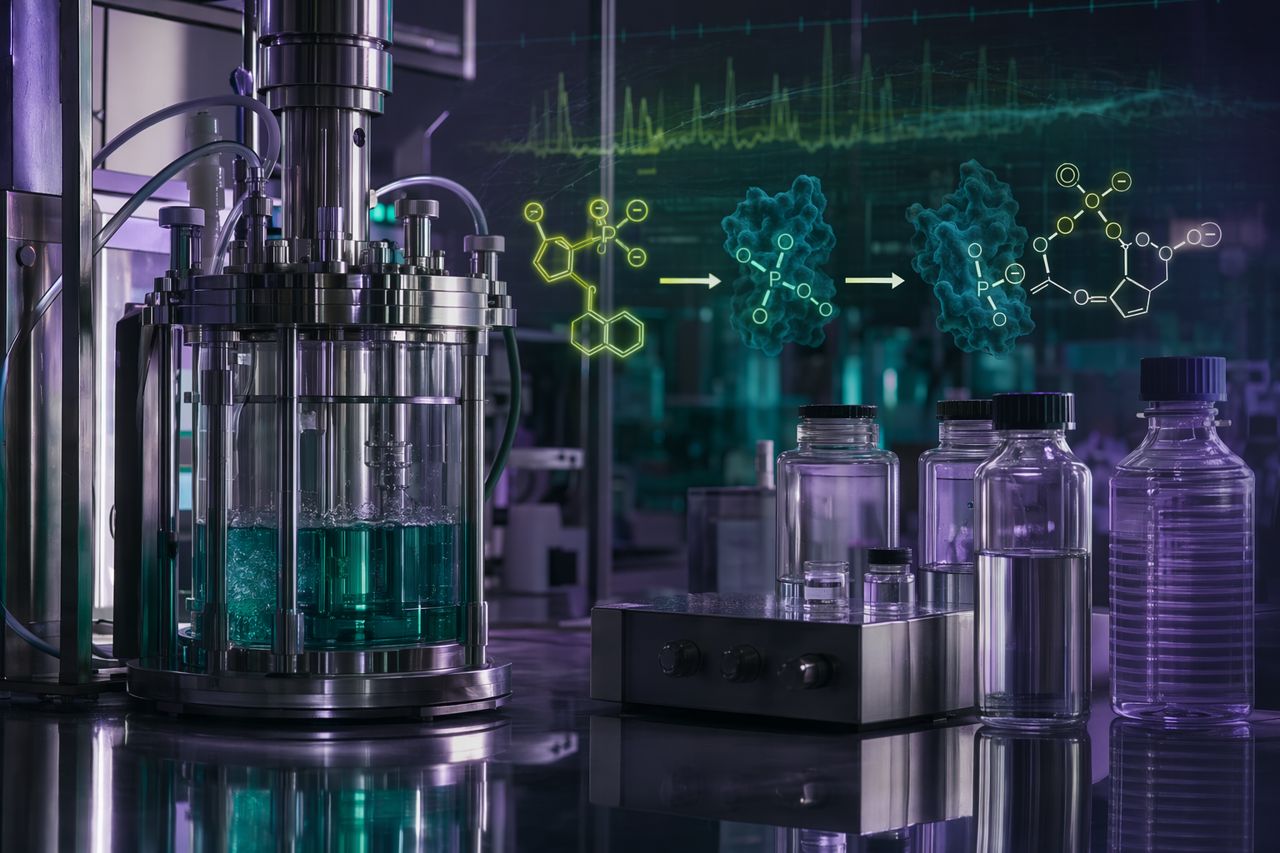
Biotechnology workflows often use phosphorylation as a control point: to activate, deactivate, label, stabilize, prepare, or redirect a molecule. Phosphatase Enzyme Solutions supplies phosphatase enzymes for teams that need controlled dephosphorylation without vague performance claims or unnecessary formulation noise.
Our role is practical: help technical buyers evaluate phosphatase fit for defined substrates, buffers, operating windows, impurity constraints, documentation needs, and scale-up expectations.
Where phosphatase fits in biotech development
Phosphatase enzymes catalyze the removal of phosphate groups from phosphate-bearing substrates. In biotechnology, that function can support upstream development, downstream processing, analytical preparation, and reagent manufacturing when dephosphorylation must be selective, repeatable, and compatible with adjacent steps.
Common biotechnology use areas include:
- Nucleic acid workflows requiring dephosphorylation of phosphate-bearing ends or residual species
- Reagent preparation where controlled phosphate removal supports cleaner workflow design
- Specialty biocatalysis involving phosphorylated intermediates, metabolites, or process substrates
- Protein and peptide research workflows where phosphorylation state is part of method development
- Analytical sample preparation where dephosphorylation helps simplify sample composition before measurement
- Process development studies evaluating phosphate removal as a unit operation or enabling step
Technical reasons buyers specify phosphatase
A phosphatase is rarely purchased as a generic enzyme. In industrial and applied biotechnology, it is specified against the total workflow.
Key evaluation factors include:
- Substrate class: nucleotides, phosphorylated biomolecules, phosphoproteins, phosphorylated intermediates, or specialty substrates
- Matrix compatibility: salts, buffers, stabilizers, solvents, detergents, metal ions, or process carryover components
- Operating window: process temperature, pH range, hold time, and acceptable exposure conditions
- Downstream impact: removal strategy, residual enzyme tolerance, product sensitivity, and analytical interference
- Format requirements: liquid, powder, stabilized preparation, or custom handling profile
- Documentation: specification package, composition visibility, lot traceability, and regulatory support needs
- Supply planning: pilot quantities, batch-to-batch consistency, packaging, and continuity for scale-up
Nucleic acid and molecular workflow support
Phosphatase can be used in nucleic acid workflows where phosphate-bearing ends or residual phosphorylated species need to be managed. Buyers in this category usually care less about broad enzyme labels and more about practical compatibility: buffer environment, heat exposure, inactivation or removal approach, impurity profile, and consistency across lots.
Phosphatase Enzyme Solutions supports evaluation for workflows such as:

- End preparation in nucleic acid handling sequences
- Residual phosphate management in reagent systems
- Workflow simplification where dephosphorylation reduces side reactions
- Technical transfer from research method to controlled production environment
We do not treat nucleic acid use as a one-size-fits-all application. The relevant specification depends on the surrounding chemistry and the required downstream readout.
Reagent preparation and specialty biocatalysis
In reagent manufacturing and specialty biocatalysis, phosphatase can be used to convert phosphorylated materials, reduce unwanted phosphate-bearing components, or prepare intermediates for the next process step.
Typical buyer questions include:
- Will the enzyme tolerate the process matrix?
- Does the enzyme introduce materials that interfere downstream?
- Can the format be handled in the existing manufacturing sequence?
- Is the product suitable for pilot-scale and production planning?
- What documentation is available for internal qualification?
Phosphatase Enzyme Solutions helps frame these questions early so process teams can avoid rebuilding a workflow around an enzyme that looked acceptable only under narrow screening conditions.
Process development considerations
A successful phosphatase step is defined by more than phosphate removal. It must fit the process architecture.
Before selection, we recommend aligning on:
-
Substrate identity and concentration range
Define the molecule or mixture being dephosphorylated and any competing phosphate-bearing species. -
Reaction environment
Share buffer, pH, temperature, salts, additives, solvents, and known inhibitors or chelators. -
Desired endpoint
Clarify whether the goal is full conversion, partial conversion, sample cleanup, intermediate preparation, or background reduction. -
Downstream tolerance
Identify whether residual enzyme, excipients, or released phosphate affect the next operation. -
Handling and storage constraints
Confirm whether your team needs refrigerated liquid handling, dry format stability, single-use packaging, or custom fill sizes. -
Scale and documentation
Distinguish between bench evaluation, pilot material, recurring production, and regulated or quality-managed use.
Formats and qualification support
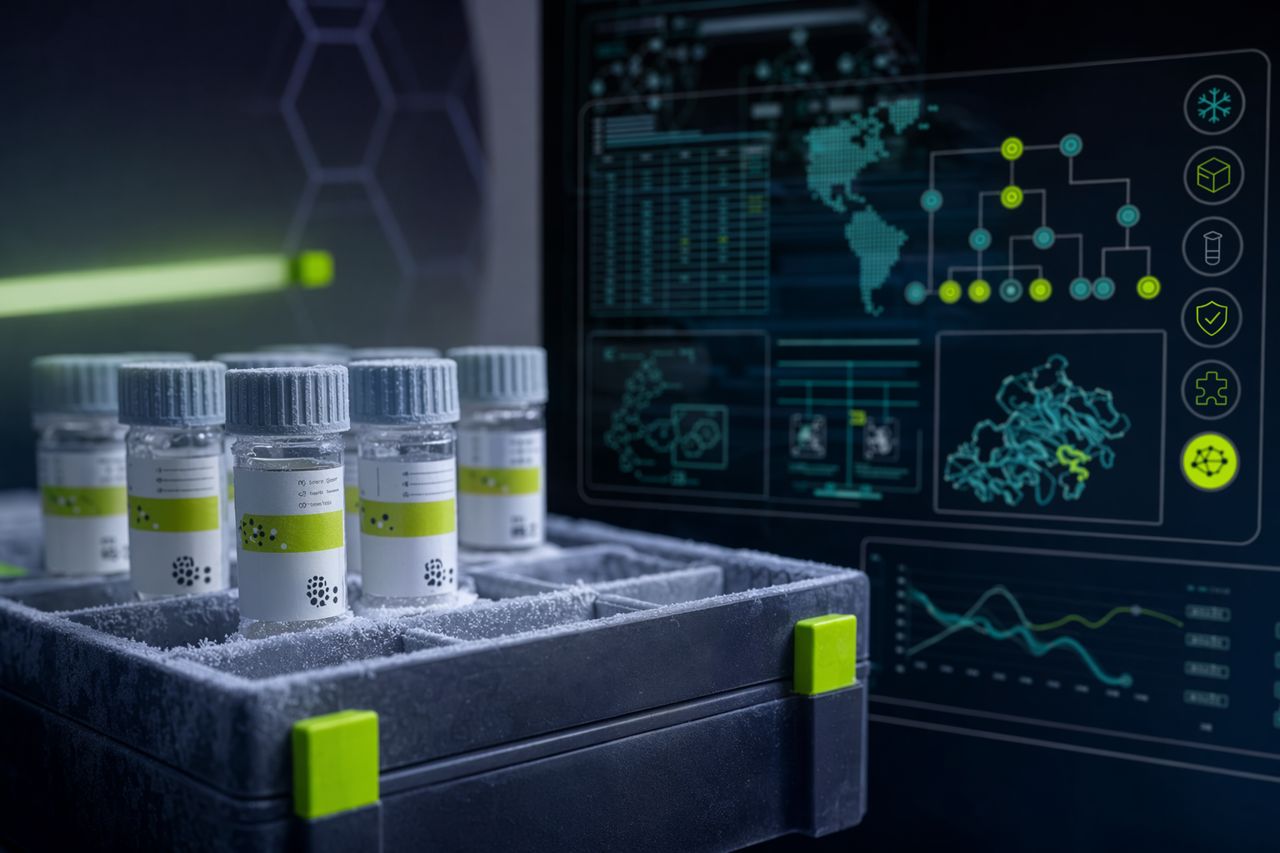
Phosphatase Enzyme Solutions can support phosphatase evaluation in formats aligned to biotech handling requirements, including stabilized liquids, dry preparations, and project-specific packaging configurations. Availability depends on the target application, technical constraints, and qualification requirements.
For B2B buyers, the goal is to move from enzyme interest to specification fit:
- Application review by substrate and matrix
- Recommended evaluation pathway
- Lot documentation and traceability options
- Packaging and storage guidance
- Supply planning for pilot and recurring demand
- Custom formulation discussion where appropriate
What to share for faster technical review
To evaluate a phosphatase request efficiently, include as much of the following as possible:
- Target substrate or substrate class
- Process pH and temperature window
- Buffer and key additives
- Desired conversion or workflow purpose
- Downstream sensitivity or removal requirement
- Preferred enzyme format
- Estimated development, pilot, or production volume
- Documentation requirements
- Target geography and delivery timing
If some details are confidential, provide ranges or categories. We can work from a non-confidential process summary during the first review.
Request a quote or technical fit review
Use the form below to request pricing, discuss fit, or start a phosphatase sourcing review for a biotechnology workflow. Submissions go directly to the Phosphatase Enzyme Solutions team.
Need pricing first? Submit the form with your application summary and we will respond with the next practical step.