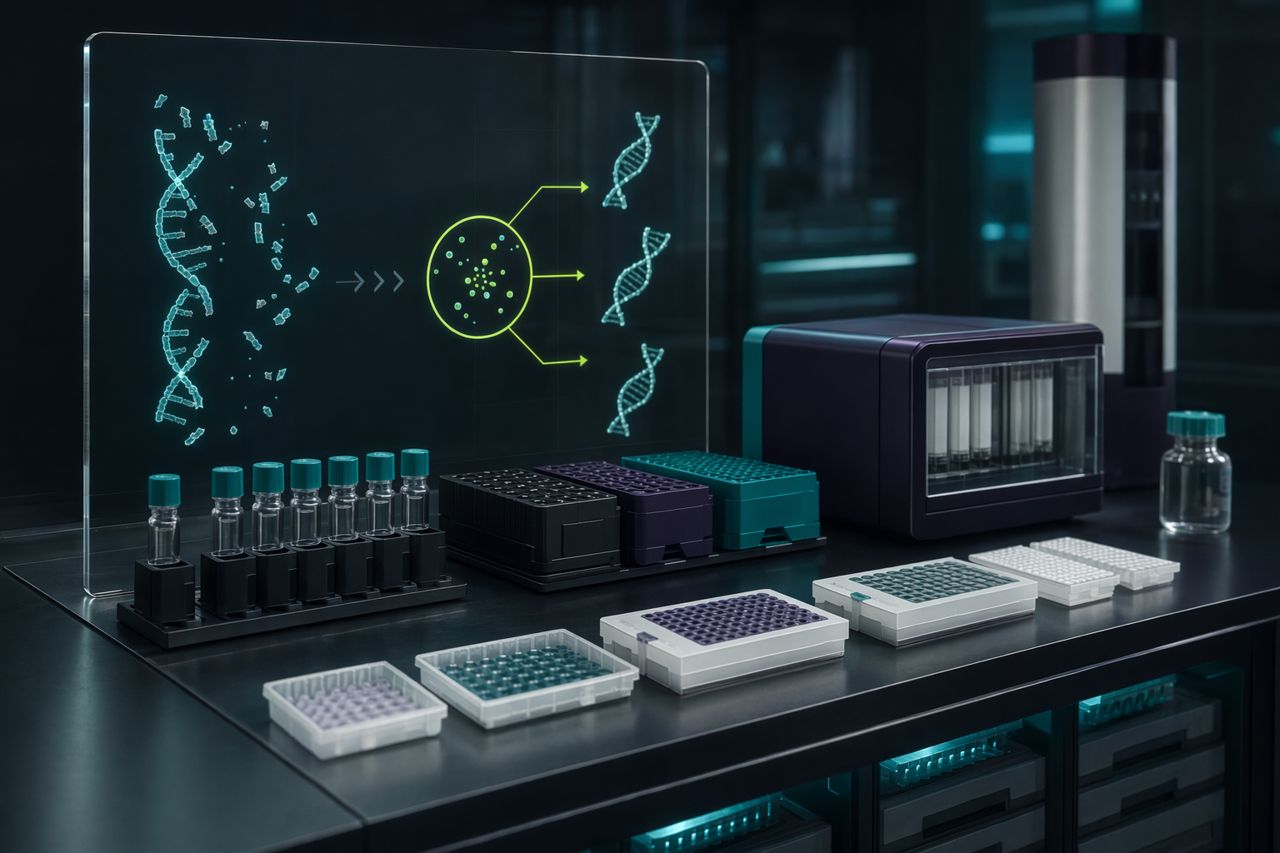
Phosphatase in molecular biology reagent production
Phosphatase enzymes are used in molecular biology reagent design wherever controlled phosphate removal improves downstream workflow performance. In reagent manufacturing, they support nucleic acid end preparation, nucleotide cleanup, dephosphorylation of phosphorylated intermediates, and process steps where residual phosphate-bearing molecules can interfere with ligation, labeling, amplification, or detection.
Buying for production or for resale? Send the workflow, the quantity and the destination country, and we reply with a quotation. Request a quote.
Phosphatase Enzyme Solutions supplies phosphatase in bulk to molecular biology reagent and kit manufacturers, biotech companies, contract manufacturers and reagent distributors, on a quote-only basis. The practical question is not simply whether a phosphatase can remove phosphate groups. It is whether the enzyme fits the matrix, workflow, temperature window, impurity tolerance, inactivation strategy, packaging format, and documentation standard required by the final reagent system.
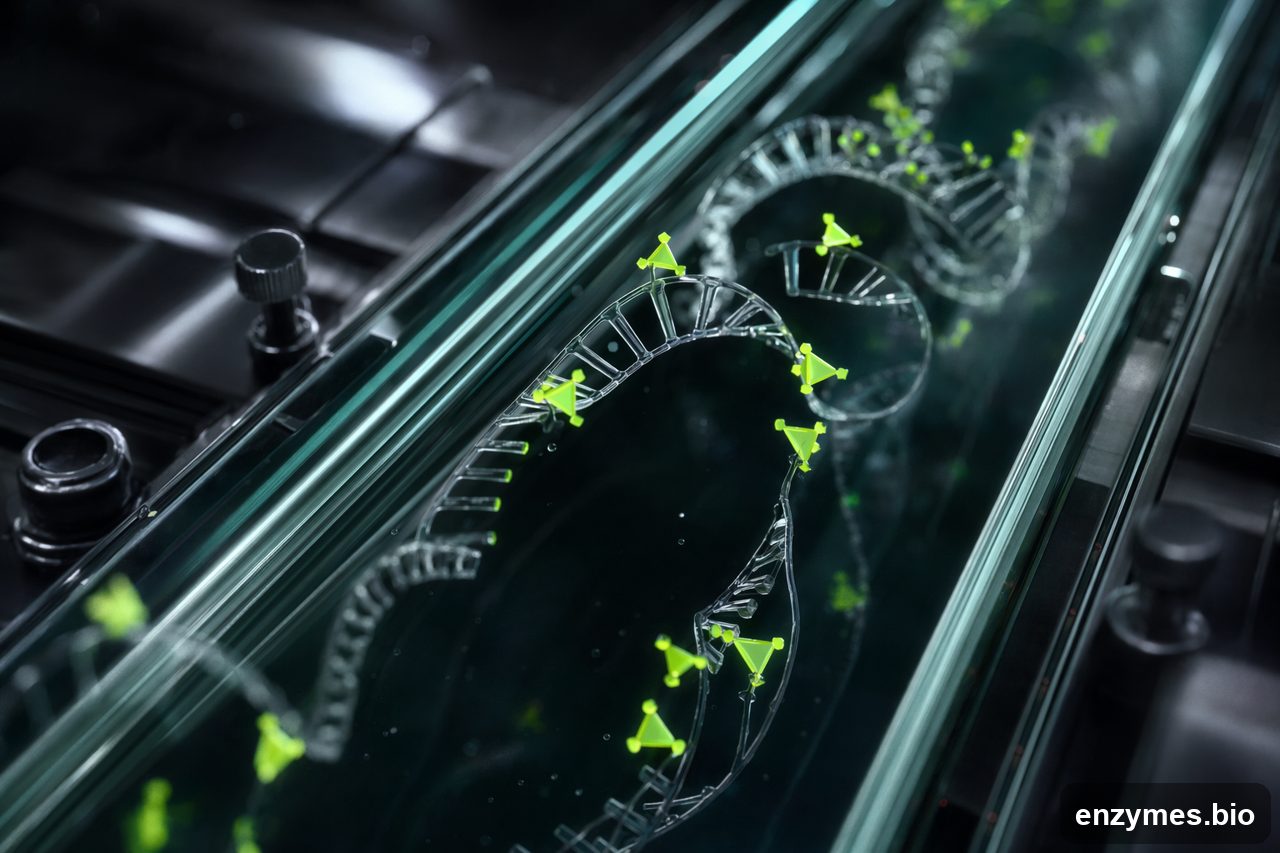
Where phosphatase fits in molecular biology reagent systems
Phosphatase enzymes catalyze the hydrolytic removal of phosphate groups from suitable substrates. In molecular biology reagent production, that function can be used to tune the chemical state of nucleic acids, nucleotides, proteins, and phosphorylated process intermediates.
Common production and workflow applications include:
- Nucleic acid end preparation for workflows where dephosphorylated DNA or RNA termini are required before ligation, cloning, labeling, or adapter-control steps.
- Removal of residual nucleotide phosphates in cleanup systems where unincorporated or competing phosphate-bearing molecules can affect downstream readout.
- Control of phosphorylation state in reagent kits involving kinases, ligases, polymerases, restriction workflows, or sequential enzymatic processing.
- Background reduction in detection workflows where free phosphate, phosphorylated substrates, or carryover species can reduce signal clarity.
- Intermediate conditioning during oligonucleotide, probe, or assay reagent production where a defined phosphate status is part of the specification.
- Process simplification where enzymatic dephosphorylation replaces harsher chemical treatment under formulation-compatible conditions.
Common phosphatase formats used by molecular biology teams
Alkaline phosphatase
Alkaline phosphatases are widely used for DNA and RNA end dephosphorylation, nucleotide cleanup, and broad phosphate removal. They are valued for robust performance across many molecular biology contexts, but they require careful evaluation when residual activity could interfere with a later phosphorylation, ligation, or labeling step.
Key procurement questions include:
- Is the enzyme intended for nucleic acid end treatment, nucleotide removal, or general phosphate cleanup?
- Can it be effectively removed or inactivated within the planned workflow?
- Does the formulation contain components that affect downstream polymerases, ligases, reverse transcriptases, or detection chemistry?
- Is the product supplied with nuclease-control documentation appropriate for molecular biology use?
Thermolabile phosphatase
Thermolabile phosphatase formats are useful where workflow simplicity matters. They are selected when teams want phosphate removal followed by thermal shutdown, reducing the need for additional purification or physical separation steps.
This can be valuable in:
- Diagnostic sample-prep workflows.
- Enzymatic cleanup before amplification or detection.
- Closed-cartridge or automated molecular systems.
- Multi-enzyme reagent kits where residual phosphatase activity must be minimized.
The important evaluation point is whether the thermal inactivation window fits the rest of the workflow without damaging the nucleic acid target or compromising other reagents.
Immobilized or process-bound phosphatase
In manufacturing environments, phosphatase may be immobilized or otherwise process-contained to simplify removal, reduce carryover, or support repeated processing. This is less common in benchtop molecular biology kits, but relevant in industrial reagent preparation, nucleotide processing, and controlled bioprocess steps.
When immobilized formats are considered, buyers should evaluate binding chemistry, leachables, process hold times, cleaning compatibility, and performance consistency across batches.
Buyer-critical selection factors
For reagent manufacturers, phosphatase selection is less about a single headline metric and more about controlled fit across the whole workflow.
Substrate and matrix compatibility
Different phosphatase types vary in how they interact with nucleic acid ends, free nucleotides, phosphorylated small molecules, protein substrates, buffers, salts, metals, stabilizers, detergents, and excipients. Early screening should reflect the real reagent matrix rather than an idealized buffer.
Key questions include:
- Is the target substrate a nucleic acid terminus, free nucleotide, phosphorylated protein, small molecule, or mixed substrate pool?
- Does the formulation contain salts, chelators, reducing agents, surfactants, glycerol, preservatives, or carrier proteins?
- Will the phosphatase be present during the customer-facing workflow, or removed or inactivated during production?
- Is selective phosphate removal required, or is broad dephosphorylation acceptable?
Thermal behavior and inactivation strategy
Many reagent workflows require the phosphatase to perform during one step and then stop cleanly before another enzyme is introduced. That makes thermal behavior, chemical compatibility, and process sequencing important.
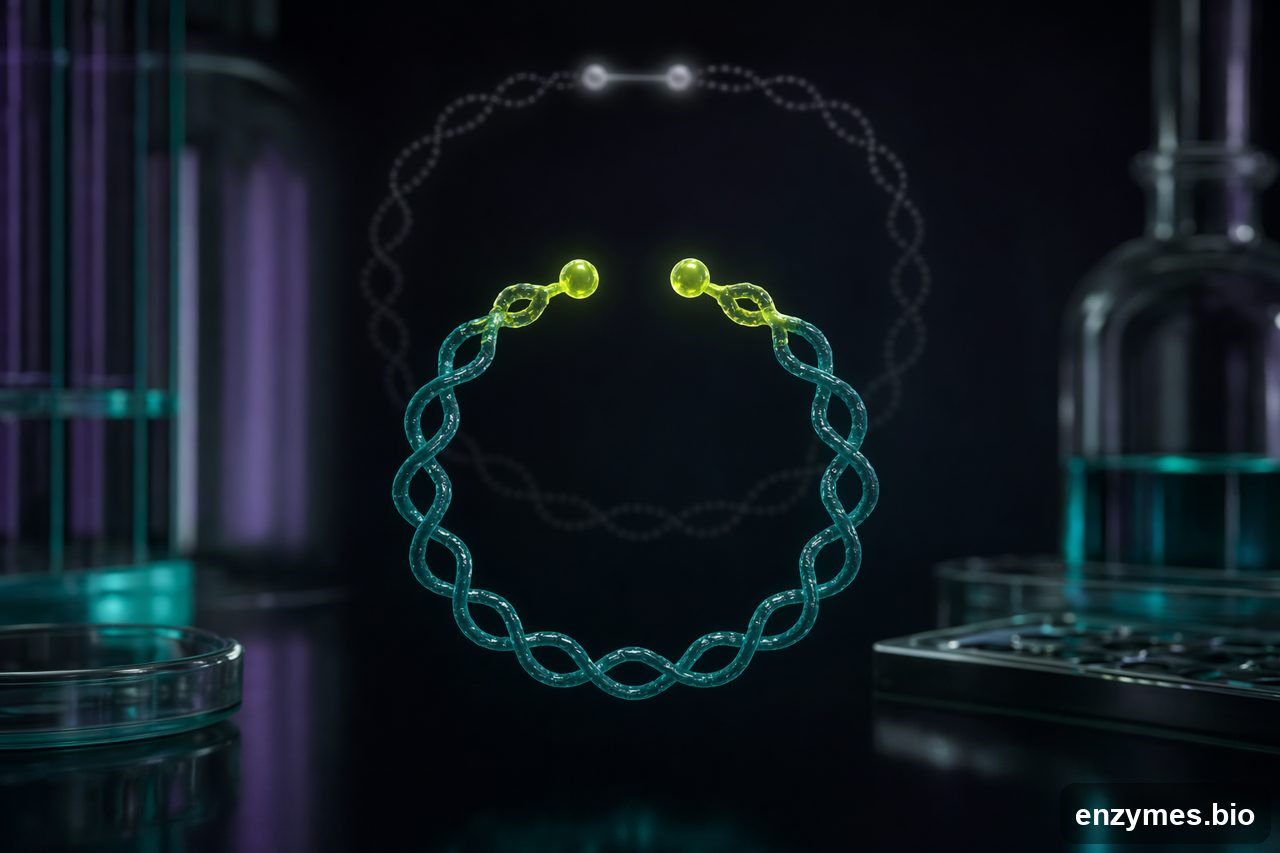
A phosphatase may be selected for:
- Stable performance through manufacturing hold steps.
- Predictable inactivation under workflow-compatible conditions.
- Compatibility with downstream ligases, kinases, polymerases, reverse transcriptases, or detection enzymes.
- Low carryover risk into amplification, ligation, sequencing-prep, or signal-generation steps.
Purity and contaminant control
In molecular biology reagents, trace contaminants can matter. Nuclease contamination, protease activity, host-cell residues, endotoxin sensitivity for certain systems, and unintended enzyme activities can compromise performance even when the primary dephosphorylation step appears effective.
Phosphatase Enzyme Solutions supports procurement discussions around:
- Production host and source transparency.
- Purity expectations aligned with reagent-grade use.
- Nuclease and protease risk management.
- Lot documentation and change-control expectations.
- Packaging formats that reduce freeze-thaw exposure and handling variability.
Reagent-development use cases
Cloning and ligation-control reagents
Phosphatase can be used to dephosphorylate vector or insert ends when workflow design requires suppression of unwanted ligation pathways. For manufacturers, the formulation challenge is to balance efficient phosphate removal with compatibility across restriction digestion, cleanup, ligation, and optional heat-treatment steps.
Library preparation and adapter-control workflows
In sequencing-adjacent reagent systems, phosphatase may be used to regulate end chemistry or remove carryover phosphate-bearing molecules before adapter addition, repair, or amplification. The enzyme must be evaluated in the context of fragment length distribution, buffer carryover, bead cleanup chemistry, and downstream enzymatic sequence.
Nucleotide and primer cleanup systems
Phosphatase can help reduce residual nucleotide triphosphates, phosphorylated primers, or unwanted phosphate-bearing intermediates where these species interfere with labeling, extension, ligation, or signal generation. In this setting, specificity, timing, and complete downstream compatibility are more important than broad enzyme activity alone.

Nucleotide and oligonucleotide processing
Phosphatase can be used in the preparation or cleanup of nucleotides, phosphorylated oligonucleotides, and related intermediates. These workflows may require higher attention to impurity profile, downstream analytical compatibility, and removal strategy.
For industrial buyers, process economics depend on yield protection, separation efficiency, and lot reproducibility.
Diagnostic assay reagent preparation
Molecular diagnostic teams may use phosphatase during reagent manufacture or workflow design to manage background, prepare substrates, or control phosphorylation-dependent assay states. Documentation, lot consistency, and supply continuity are especially important where reagents support validated or regulated workflows.
Formulation and manufacturing considerations
Phosphatase enzymes are proteins, and their behavior depends on formulation context. Reagent manufacturers should evaluate the enzyme under intended storage, handling, and use conditions.
Relevant formulation variables include:
- Buffer pH and ionic strength.
- Metal ion requirements or sensitivity.
- Chelator compatibility.
- Detergent and stabilizer tolerance.
- Carrier protein presence.
- Preservative compatibility.
- Freeze-thaw exposure.
- Lyophilization or liquid-fill feasibility.
- Container-closure and low-volume dispensing behavior.
Supply formats and packaging
Reagent manufacturers often need phosphatase supplied in a format that fits their production line, not just their bench testing protocol. Practical options may include:
- Liquid bulk enzyme.
- Glycerol-containing or glycerol-reduced formats.
- Custom concentration targets by agreement.
- Stabilizer and buffer adjustment.
- Low-temperature shipment planning.
- Aliquot sizes for kit filling.
- Packaging suitable for automated dispensing.
Early discussion of fill volume, container type, freeze-thaw exposure, and storage profile can prevent scale-up issues later.
Phosphatase Enzyme Solutions can support discussions around liquid concentrates, stabilized preparations, custom packaging, pilot-scale evaluation, and commercial supply planning. The goal is to reduce reformulation risk before scale-up, not to force a single enzyme format into every workflow.
Quality expectations for B2B phosphatase sourcing
For molecular biology reagent production, buyers typically require more than a technical description. They need confidence that enzyme supply will remain consistent across development, validation, launch, and repeat manufacturing.
Important sourcing criteria include:
- Lot-to-lot consistency appropriate for reagent manufacturing.
- Clear specification alignment before purchase orders are scaled.
- Documentation suitable for internal quality review.
- Practical packaging sizes for pilot, validation, and production use.
- Communication of material changes that may affect formulation performance.
- Supply planning for recurring reagent programs.
How to evaluate phosphatase for your workflow
A practical evaluation plan should start with the final reagent system and work backward.
Recommended evaluation sequence:
- Define the exact phosphate-bearing target species and acceptable residual profile.
- Screen phosphatase candidates in the real buffer or closest available process mimic.
- Confirm compatibility with adjacent enzymes and cleanup steps.
- Assess carryover and inactivation behavior under intended workflow conditions.
- Review purity, documentation, and packaging requirements before scale-up.
- Lock supply expectations before final kit validation or customer-facing release.
Why teams specify Phosphatase Enzyme Solutions
Phosphatase Enzyme Solutions is built for business buyers who need phosphatase inputs that can be discussed in manufacturing terms: substrate fit, matrix tolerance, documentation, packaging, and continuity. We support reagent developers, diagnostics groups, contract manufacturers, food and biotech process teams, and industrial buyers who need grounded enzyme sourcing without exaggerated claims.
If your workflow depends on controlled phosphate removal, the right phosphatase decision can reduce downstream variability and simplify reagent architecture.
Request a wholesale quote
We supply phosphatase for molecular biology reagent production in bulk to manufacturers, biotech companies, distributors and resellers, on a quote-only basis. To get a recommendation and a price, send: the product or application, the quantity (evaluation lot, pilot volume or recurring production volume), the destination country, and the workflow step and the downstream enzymes. Format and pack size are quoted per order; tell us your preference if you have one.