Phosphatase for Plant Protein Processing
Plant protein systems are not only protein systems. They carry phytate, phosphorylated carbohydrates, mineral complexes, and other phosphate-containing components that can influence extraction behavior, hydration, viscosity, flavor stability, and final ingredient performance.
Buying for production or for resale? Send the plant source, the quantity and the destination country, and we reply with a quotation. Request a quote.
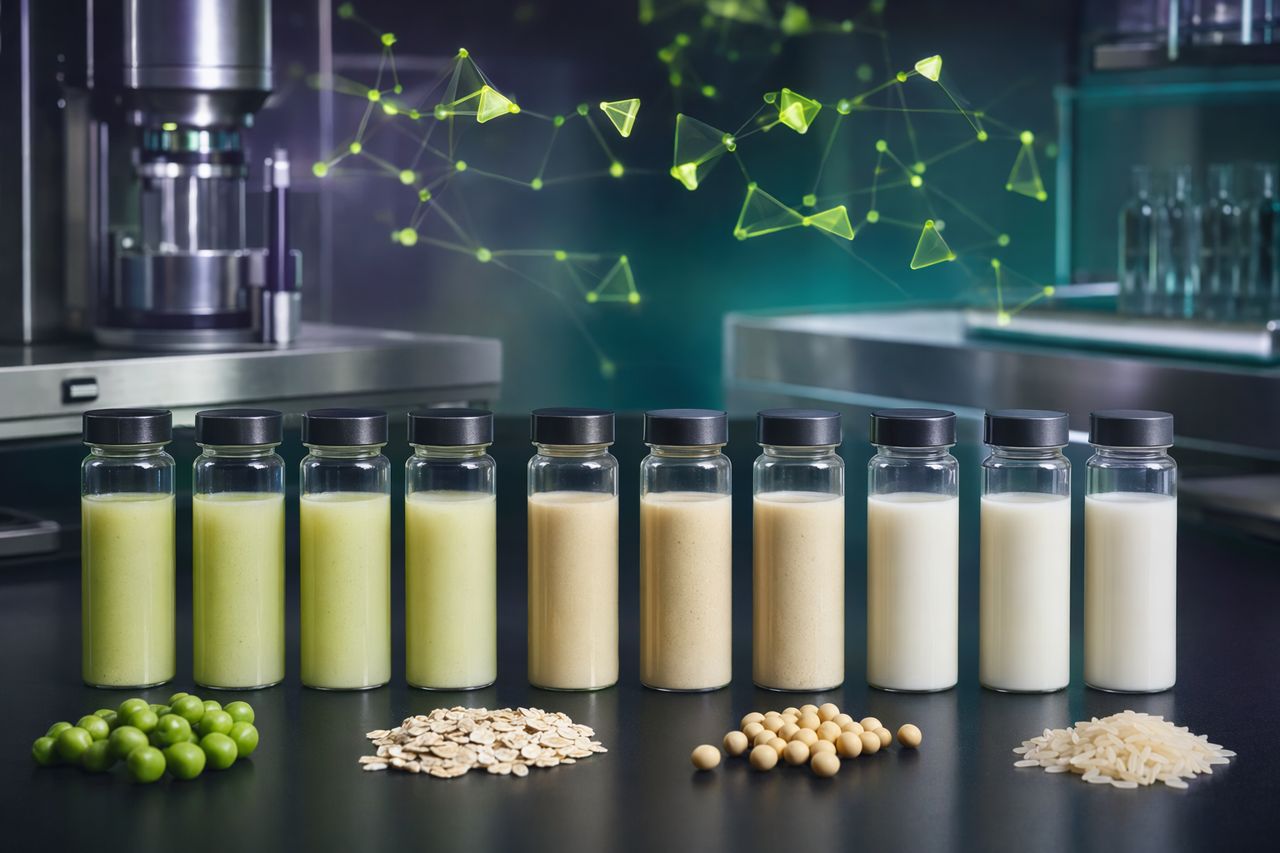
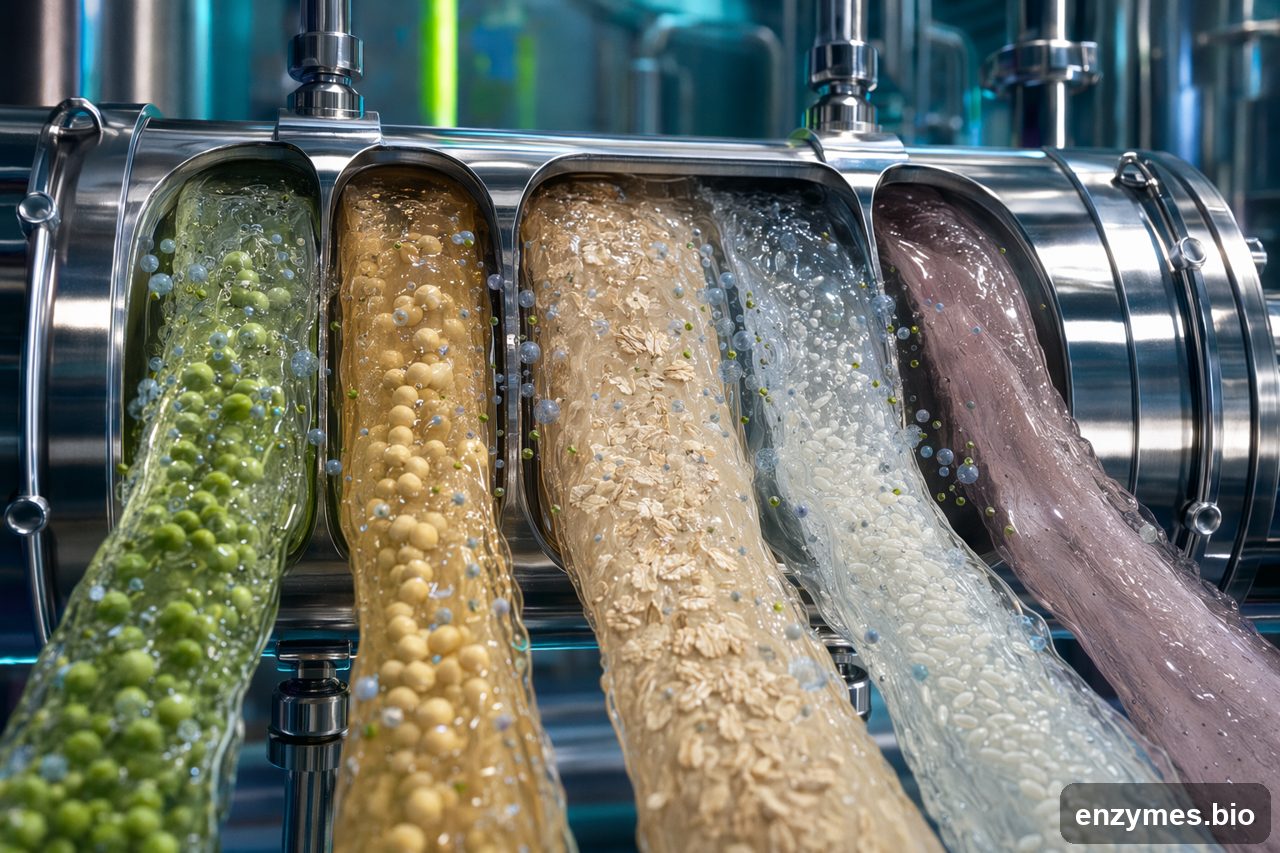
Phosphatase Enzyme Solutions supplies phosphatase enzymes in bulk to plant-protein ingredient manufacturers, plant-based food and beverage producers, and ingredient distributors, on a quote-only basis. In controlled processing conditions, phosphatase can support the conversion of phosphorylated compounds and help formulators evaluate how phosphate chemistry affects functionality in pea, soy, oat, rice, faba, lentil, chickpea, canola, and mixed botanical streams.
This is not a universal fix. It is a targeted enzymatic step for teams that understand their substrate and need a practical route to test phosphate-linked process constraints.
Where phosphatase fits in plant protein workflows
Phosphatase enzymes catalyze the removal of phosphate groups from suitable phosphorylated substrates. In plant protein processing, that chemistry may be relevant when phosphate-containing compounds interact with proteins, minerals, water, or downstream separation steps.
Typical points of evaluation include:
- Wet fractionation streams where phosphate-bound minerals or soluble phosphorus species affect clarification, extraction, or yield behavior.
- Protein concentrate and isolate preparation where mineral management, hydration, and dispersion are part of the process target.
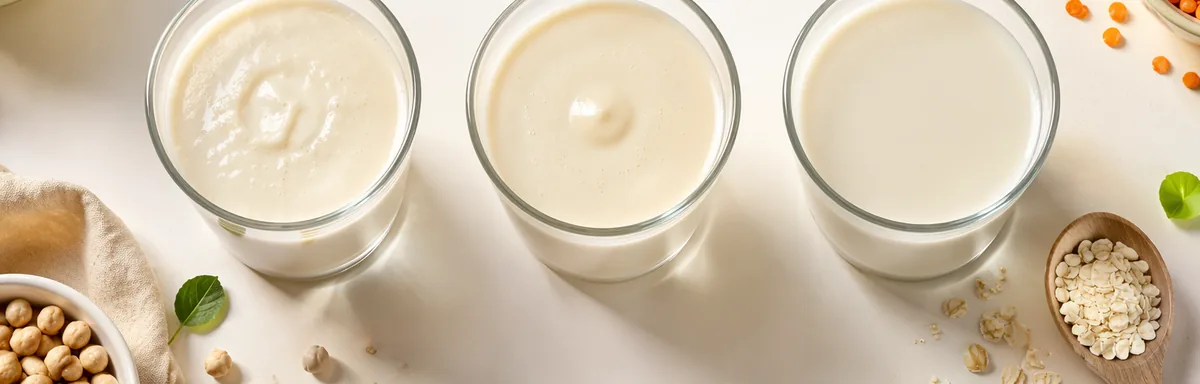
- Plant milk, beverage, and emulsion bases where solubility, sedimentation, and viscosity need tighter control.
- Fermentation-ready plant substrates where phosphorus release and matrix modification may influence process consistency.
- Ingredient finishing where teams are comparing enzymatic pre-treatment against thermal, chemical, or purely mechanical approaches.
Practical objectives for formulation and process teams
Phosphatase use in plant protein systems is usually evaluated against measurable process or formulation goals, not as a generic enzyme addition.
Mineral interaction and phosphorus management
Many plant matrices contain phosphate-rich compounds capable of binding minerals. A phosphatase step can help teams investigate whether dephosphorylation supports cleaner mineral behavior, improved extract management, or more predictable downstream handling.

Hydration, dispersion, and viscosity control
Phosphate-containing components can contribute to water binding and network behavior. Depending on substrate composition and process design, phosphatase treatment may help refine hydration profile, dispersion quality, and viscosity in slurries, extracts, or finished bases.
Protein functionality screening
For protein ingredients, small chemistry changes can shift performance. Phosphatase Enzyme Solutions is commonly discussed in trials where teams are comparing solubility, emulsification, gelation tendency, heat stability, or sedimentation before and after enzymatic treatment.
Sensory and formulation robustness
Phosphate chemistry can intersect with mineral perception, astringency, and stability in plant-based beverages or high-protein systems. Phosphatase is one route to evaluate whether phosphate conversion improves the formulation window without over-processing the ingredient.
Substrates commonly reviewed
Phosphatase Enzyme Solutions can support technical discussions across a wide range of botanical materials, including:
- Pea protein streams and pea flour slurries
- Soy protein extraction and finishing systems
- Oat and cereal-based ingredient bases
- Rice, rice bran, and mixed grain fractions
- Faba bean, lentil, chickpea, and other pulse ingredients
- Canola, sunflower, and oilseed-derived protein streams
- Hybrid plant protein blends for meat, dairy alternative, beverage, and nutrition applications
The relevant enzyme selection depends on the phosphorylated compounds present, process pH, temperature profile, hold time, solids level, water chemistry, and downstream treatment.
Process integration considerations
A useful phosphatase trial starts with the actual processing environment. Before recommending a grade, Phosphatase Enzyme Solutions reviews the conditions that determine whether the enzyme can operate effectively and whether the output can be measured in a way that matters to your business.
Key variables to define
- Botanical source and upstream treatment history
- Solids level and slurry handling constraints
- Process pH and thermal exposure
- Available reaction time before separation, heating, drying, or blending
- Target outcome: mineral behavior, solubility, viscosity, sensory, yield, or consistency
- Downstream steps such as centrifugation, filtration, membrane concentration, heat treatment, fermentation, or spray drying
- Regulatory and documentation requirements for the intended market
Trial design approach
For plant protein projects, Phosphatase Enzyme Solutions typically recommends a controlled comparison across untreated control, process-only control, and enzyme-treated samples. This gives formulation scientists and process engineers a clearer read on whether phosphatase is driving the observed change or simply coinciding with pH, heat, shear, or hold-time effects.
Useful readouts may include phosphorus profile, mineral distribution, turbidity, sedimentation, viscosity, solubility behavior, protein recovery, sensory screening, and application performance in the final formulation.
Why buyers specify Phosphatase Enzyme Solutions
Phosphatase Enzyme Solutions is built for industrial buyers who need enzyme supply conversations to be specific, documented, and tied to processing reality.
We support:
- Grade selection for plant protein and food ingredient development
- Technical fit review against your substrate and process map
- B2B documentation packages for qualification workflows
- Pilot planning for wet processing and ingredient finishing
- Scale-up discussions that account for mixing, hold time, temperature exposure, and downstream inactivation strategy
- Supply coordination for development, pilot, and commercial planning
What to provide for a quote
To help identify an appropriate phosphatase option, include as much of the following as you can:
- Plant source and ingredient form
- Current process flow from hydration through final stabilization
- pH and temperature windows available for enzyme treatment
- Solids level or approximate stream concentration
- Target performance issue or improvement goal
- Intended final application and market region
- Expected trial scale and purchasing timeline
Request a wholesale quote
We supply phosphatase enzymes for plant protein processing in bulk to manufacturers, biotech companies, distributors and resellers, on a quote-only basis. To get a recommendation and a price, send: the product or application, the quantity (evaluation lot, pilot volume or recurring production volume), the destination country, and the plant source and process step where the phosphatase will be used. Format and pack size are quoted per order; tell us your preference if you have one.