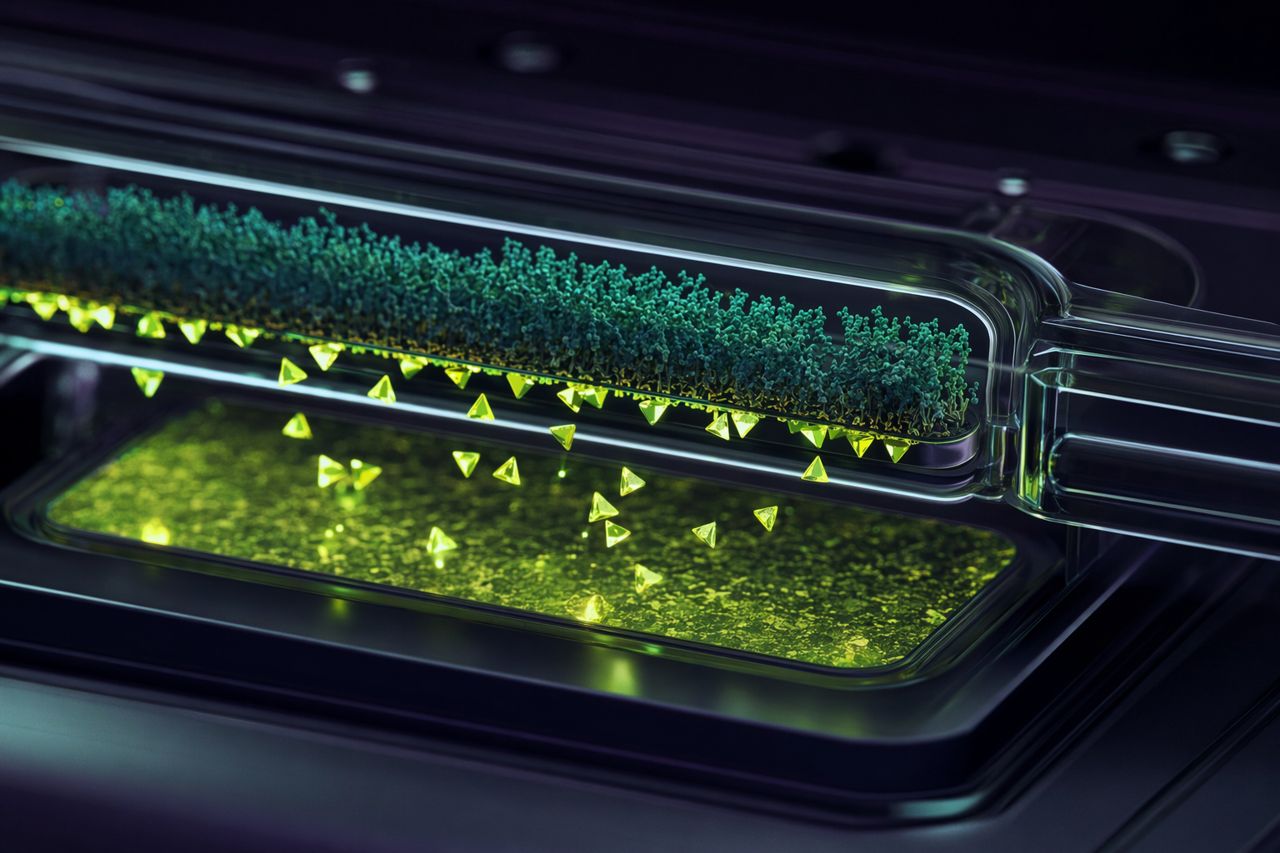
Phosphatase for diagnostic reagent and assay systems
Diagnostic teams use phosphatase enzymes when a controlled phosphate-cleaving reaction can support signal generation, reagent architecture, conjugate design, or biosensor development. Phosphatase Enzyme Solutions supplies phosphatase enzymes in bulk to diagnostic reagent manufacturers, assay developers, contract diagnostics producers, OEM component buyers and the distributors who serve them, on a quote-only basis.
Buying for production or for resale? Send the diagnostic format, the quantity and the destination country, and we reply with a quotation. Request a quote.
Phosphatase is not a one-size reagent. Source, purity profile, matrix compatibility, stabilizer package, conjugation behavior, and lot documentation all matter. The right material depends on the detection format, substrate system, manufacturing workflow, storage target, and regulatory context of the finished kit or platform.
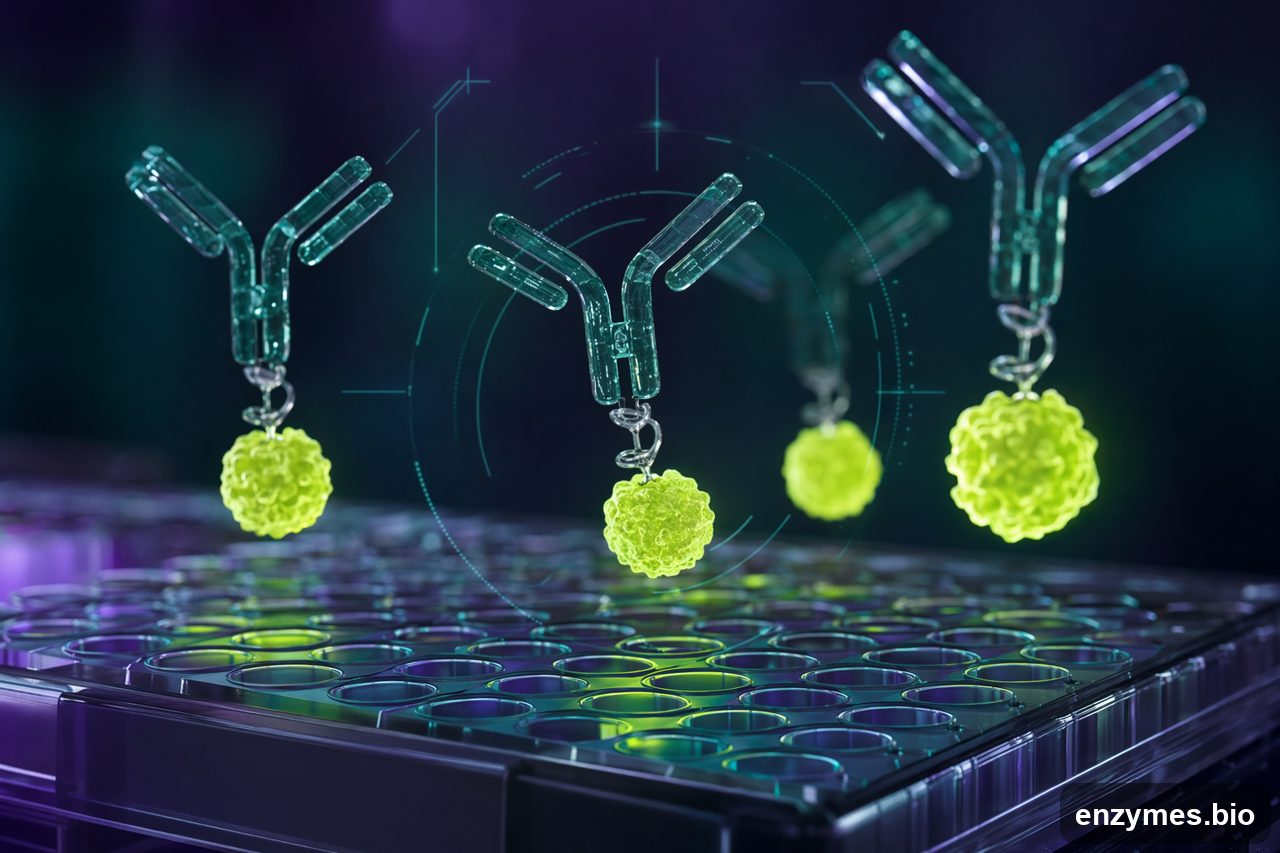
Where phosphatase fits in diagnostic workflows
Phosphatase enzymes may be evaluated in diagnostic and analytical systems where phosphate ester hydrolysis is used as a controlled biochemical step. Common areas include:
- Immunoassay-related reagent production
- Enzyme-labeled antibody or antigen conjugate workflows
- Chemiluminescent, colorimetric, or fluorogenic signal-generation concepts
- Microplate, membrane, bead, lateral-flow, or cartridge-oriented assay development
- Biosensor and surface-based analytical platforms
- Reagent optimization for research-use, industrial, veterinary, food safety, or environmental testing formats
- Process intermediates where phosphate removal supports downstream detection chemistry
Phosphatase Enzyme Solutions supports buyers who need to compare enzyme options by application fit rather than generic catalog language.
Diagnostic performance starts with formulation reality
A phosphatase that works in a screening experiment still has to survive manufacturing, filling, transport, storage, and end-user handling. For diagnostic reagent teams, the most useful discussions usually begin with the real operating environment:
- Aqueous or dried reagent format
- Liquid conjugate, coated surface, bead-bound system, or lyophilized component
- Buffer chemistry and pH window
- Protein, surfactant, salt, blocker, preservative, and stabilizer compatibility
- Expected storage temperature profile
- Required shelf-life target
- Exposure to mixing, filtration, filling, drying, or immobilization steps
- Background signal and matrix interference risks
- Lot release documentation and change-control expectations
Phosphatase Enzyme Solutions’ role is to help technical buyers align phosphatase selection with these production constraints early, before scale-up exposes avoidable incompatibilities.
Use cases in diagnostic reagent manufacturing
Enzyme-labeled conjugates
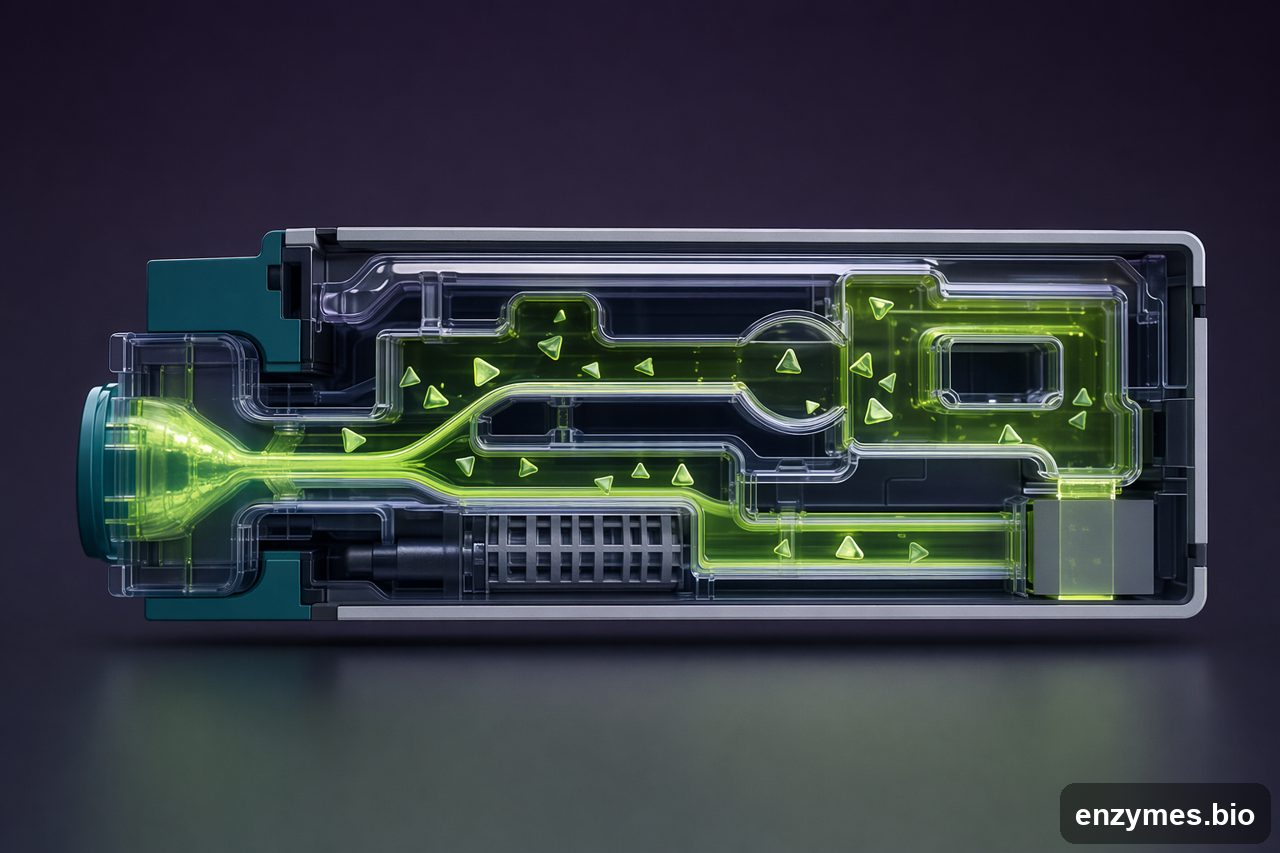
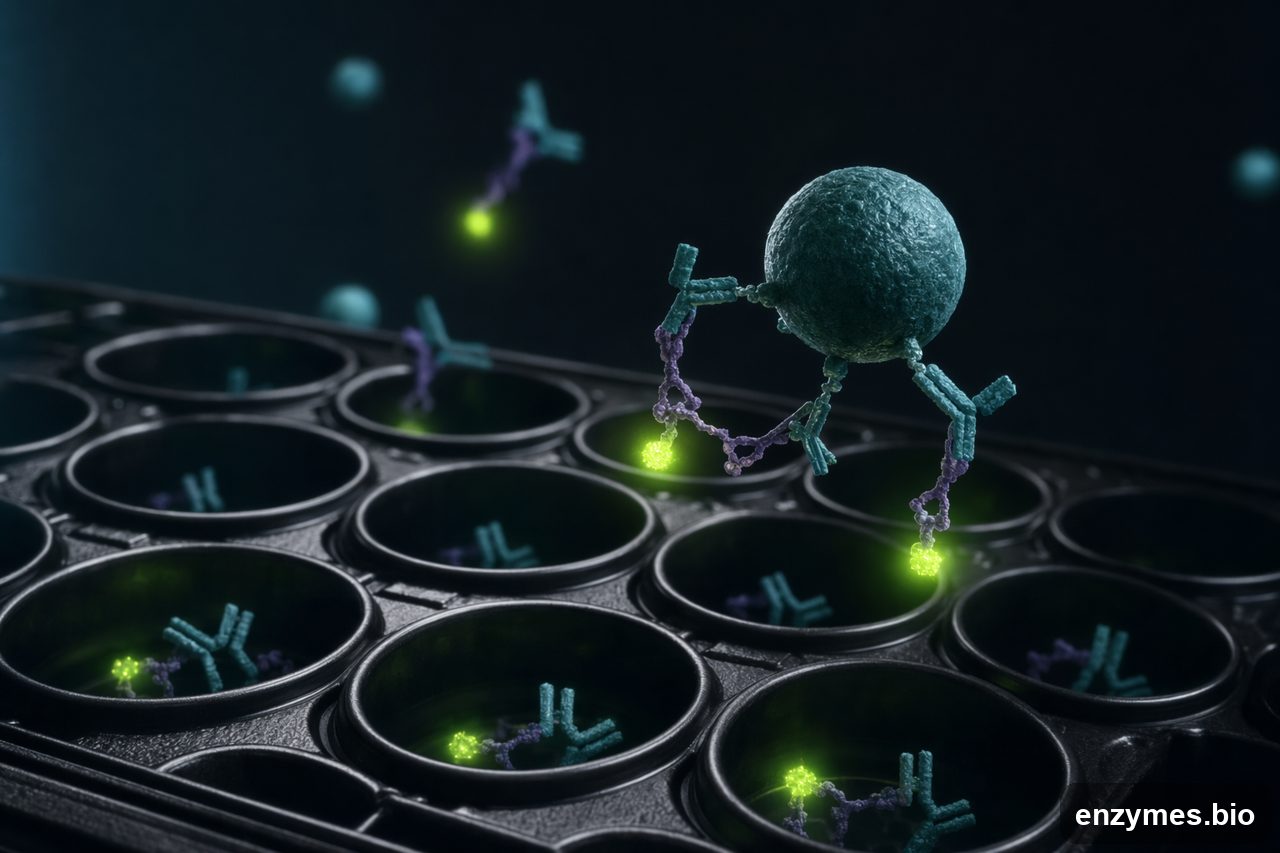
Phosphatase enzymes are often considered for labeled antibody, antigen, streptavidin, or other binding-component conjugates. In these workflows, the enzyme must remain functional after coupling and purification while preserving the binding performance of the biomolecule.
Important selection factors include:
- Compatibility with the chosen conjugation chemistry
- Behavior after buffer exchange or purification
- Retention of signal response after stabilization
- Background contribution from free enzyme or aggregates
- Lot-to-lot consistency for conjugate manufacturing
- Suitability for liquid or dried conjugate formats
Signal-generation systems
Phosphatase can support detection systems where an enzyme-mediated phosphate cleavage step produces or amplifies a measurable response. Depending on the platform, that response may be optical, luminescent, electrochemical, or indirectly coupled to another readout.
The key is not simply high reactivity. Diagnostic systems typically need controlled signal kinetics, manageable background, substrate compatibility, and predictable behavior inside a complete formulation.
Biosensor and surface-based formats
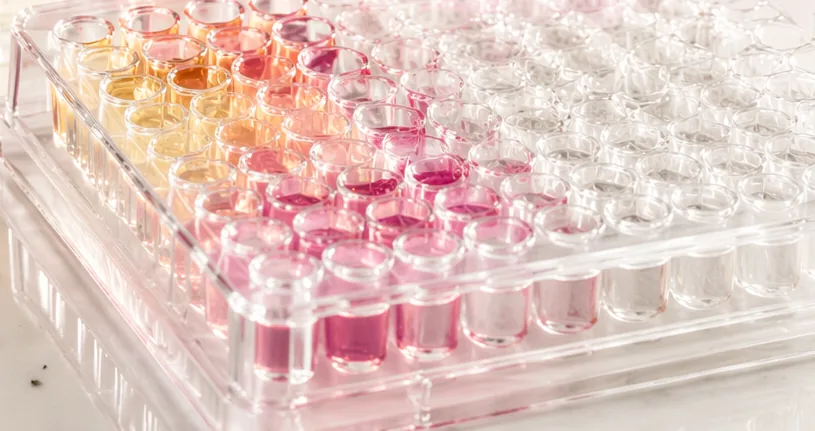
For biosensor concepts, phosphatase may be used near engineered surfaces, electrodes, membranes, particles, or structured microfluidic environments. These systems place additional demands on adsorption behavior, local pH response, immobilization tolerance, and matrix stability.
Phosphatase Enzyme Solutions can support early-stage technical review for buyers assessing whether a phosphatase material is appropriate for a surface-integrated platform.
Reagent manufacturing and process support
Beyond final signal systems, phosphatase may be useful as a controlled process component in reagent preparation or biochemical production workflows. In these cases, buyers usually need predictable supply, clean documentation, and a formulation discussion focused on downstream compatibility.
Alkaline phosphatase and other diagnostic phosphatases
Alkaline phosphatase is widely used in diagnostic manufacturing because it can deliver strong signal generation in many immunoassay formats. It is commonly evaluated for conjugation behavior, substrate compatibility, low background, and stability under storage stress.
Other phosphatase types may be selected when the reagent design requires a different pH profile, substrate preference, or process role. In manufacturing terms, the best choice is defined by the final reagent environment, not by enzyme category alone.
Selection should follow the reagent, not the catalog name
A practical sourcing discussion should start with the diagnostic format:
- What substrate or phosphorylated target must be converted?
- What sample matrix will the reagent encounter?
- Will the enzyme be free in solution, immobilized, conjugated, dried, or co-formulated?
- What blockers, detergents, salts, polymers, or preservatives are present?
- What shelf-life target and shipping profile must the reagent support?
- What quality documentation is required by the production and regulatory teams?
This information narrows the specification faster than a broad request for phosphatase alone.
What buyers should specify before requesting material
To make sourcing faster and more useful, diagnostic buyers should prepare a short technical brief. Helpful details include:
- Intended diagnostic or analytical format
- Whether the enzyme is free, conjugated, immobilized, dried, or part of a liquid reagent
- Desired signal type or detection architecture
- Buffer and stabilizer environment
- Approximate process temperature and storage expectations
- Known inhibitors, preservatives, surfactants, salts, or proteins in the matrix
- Scale: feasibility, pilot, validation, or recurring production
- Documentation needs for internal quality, supplier approval, or regulated development
- Packaging preference and anticipated reorder pattern
- Any known sensitivity to background signal, aggregation, or carryover
This information helps Phosphatase Enzyme Solutions respond with relevant options instead of generic enzyme descriptions.
Quality and documentation priorities
Diagnostic reagent manufacturing depends on consistency. Phosphatase Enzyme Solutions discussions can include documentation aligned with B2B procurement and technical review, such as:
- Product identity and grade positioning
- Lot-specific quality documentation
- Composition and excipient disclosure appropriate to the material
- Storage and handling guidance
- Country-of-origin and supply-chain information where applicable
- Allergen, animal-origin, or regulatory statements when available
- Change-control expectations for recurring supply
- Packaging and labeling requirements for manufacturing environments
Documents buyers commonly request
Useful documents may include:
- Product specification sheet
- Certificate of analysis for each lot
- Safety data sheet
- Origin and manufacturing summary where appropriate
- Allergen, animal-origin, or recombinant-origin statements when required
- Storage and handling guidance
- Change-notification expectations
- Recommended retest or shelf-life framework
Exact documentation availability depends on the selected material and supply program.
Formulation considerations for diagnostic teams
Stability
Phosphatase stability can be influenced by pH, salts, chelators, preservatives, reducing agents, surfactants, proteins, sugars, polyols, drying conditions, and storage temperature. Stability should be evaluated inside the buyer’s complete formulation, not as a standalone material assumption.
Background signal
In signal-generation systems, background can come from non-specific binding, incomplete washing, substrate instability, free enzyme, matrix effects, or surface adsorption. Enzyme selection is one variable; system architecture and reagent cleanliness are equally important.
Conjugation and immobilization
Coupling chemistry may alter enzyme structure, substrate access, or biomolecule binding. Buyers should assess conjugation ratio, purification approach, aggregate control, and post-conjugation stabilizers within their own workflow.
Compatibility with finished-kit manufacturing
Filling, drying, coating, lamination, pouching, or cartridge assembly can change reagent behavior. Process engineers should review phosphatase performance after the manufacturing steps that the reagent will actually experience.
Purity and interfering activities
A phosphatase used in diagnostics should be evaluated for more than its intended reaction. Trace contaminants can affect assay sensitivity, nucleic-acid integrity, protein stability, or background signal.
Depending on the application, teams may request information related to:
- Host-cell protein profile
- Residual nucleic acids
- Protease burden
- Nuclease burden
- Unintended phosphatase behavior
- Bioburden expectations for the intended use
- Endotoxin profile when relevant to the diagnostic platform
Industries and teams we support
Phosphatase discussions are relevant for:
- Diagnostic reagent manufacturers
- Immunoassay and biosensor developers
- Contract assay development and production groups
- Life science reagent companies
- Veterinary and agricultural testing suppliers
- Food safety and environmental testing platforms
- Industrial biotechnology and analytical chemistry teams
- OEM reagent and component buyers
Phosphatase Enzyme Solutions supplies enzyme materials for professional and industrial use. Buyers are responsible for validating performance in their own application, regulatory framework, and finished product design.
Procurement and scale-up
Phosphatase Enzyme Solutions can support conversations across development and production stages:
- Small evaluation quantities for formulation screening
- Pilot-scale supply for process development
- Recurring production supply planning
- Packaging aligned to manufacturing use
- Technical documentation for supplier qualification
- Quote support for forecasted demand
For repeat manufacturing, early discussion of forecast, lead time, packaging, documentation, and change-control needs helps reduce avoidable sourcing risk.
Questions to settle before purchase approval
Before moving from evaluation to production, ask practical manufacturing questions:
- Can the same grade be supplied consistently across forecasted demand?
- Are pilot, validation, and production quantities available without changing the material profile?
- What is the expected lead time for repeat lots?
- Can lot reservation or campaign planning be supported?
- Are packaging sizes aligned with batch manufacturing needs?
- Is technical support available during formulation or transfer?
Early answers reduce reformulation risk later.
Request a wholesale quote
We supply phosphatase enzymes for diagnostic reagent manufacturing in bulk to manufacturers, biotech companies, distributors and resellers, on a quote-only basis. To get a recommendation and a price, send: the product or application, the quantity (evaluation lot, pilot volume or recurring production volume), the destination country, and the reagent format the enzyme goes into. Format and pack size are quoted per order; tell us your preference if you have one.